Meditations on Home –
In Conversation with Sïircollective
@WORDS.IN.MY.VEINS
@siircollective
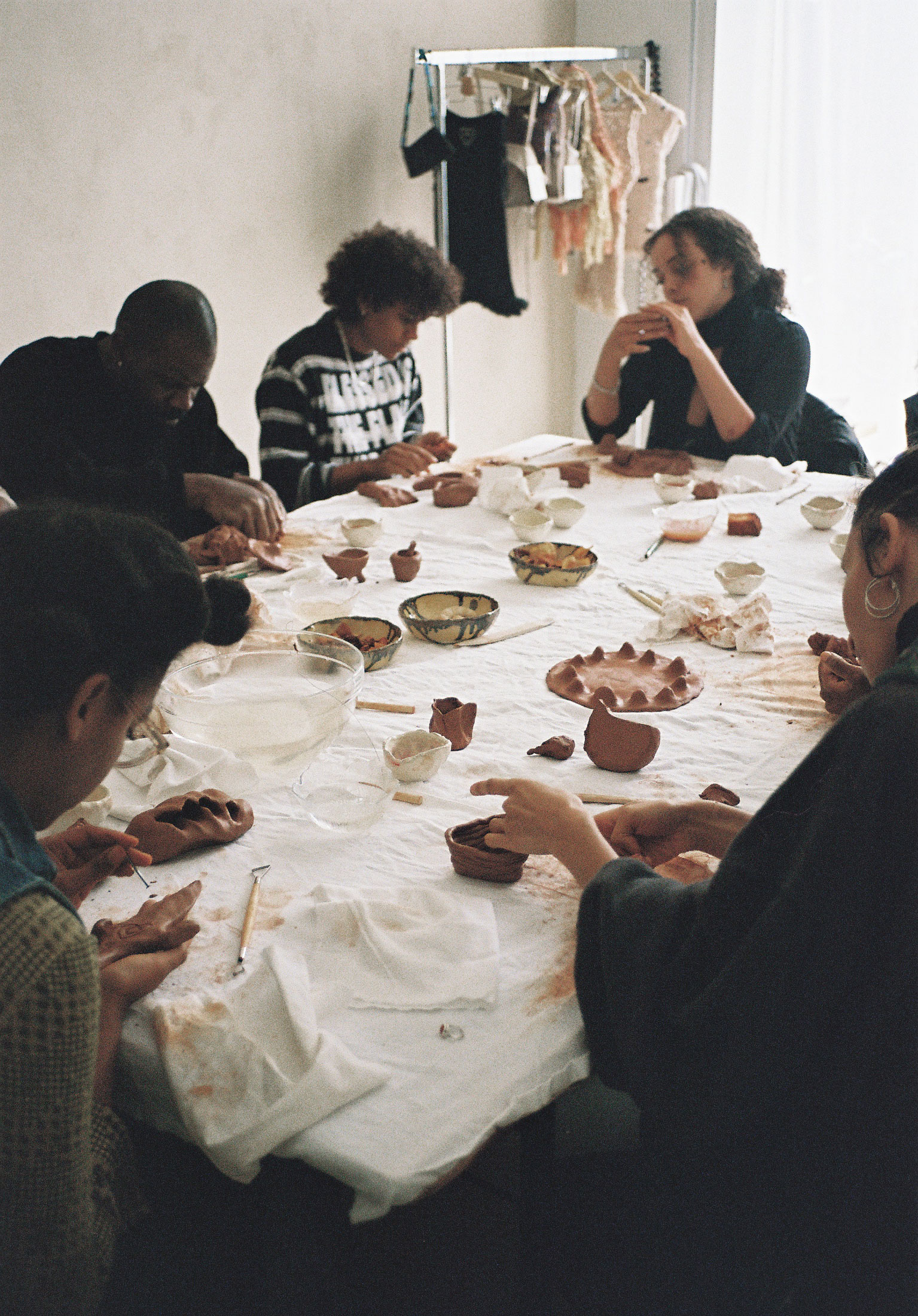
It was the beginning of October, and the first wave of cold had just washed over Berlin. A mixture of rain and wind clung my clothes to my skin, mocking me for voluntarily leaving my apartment early on a Saturday morning. I didn’t know what to expect when I received an invitation to Sïir, a liminal space exploring ideas of home through sensory experience, but I knew that it called for me and that my hands were longing for a change from typing away on my keyboard every day. As soon as I arrived, my shoulders dropped and I let out a long breath into the warm air. Everyone had gathered around a long table covered in white cloth that held homemade cake, freshly brewed tea in small, earthen cups and several books highlighting Black photographers and African textiles. I immediately felt at peace, moving through the space curiously and comfortably, finding delight in the small objects that made it feel lived in. On this first day we explored natural dyeing as a mindful, communal and archival practice, connected with different fibers and learned the art of finger knitting. Sunday was a spontaneous, experimental dialogue with clay, a meditation with our hands, and the meaning of touch.
Through food, fiber, clay and color drawn from Ghana, Burkina Faso and Guinea, the three women behind Sïircollective reclaim elements of home and reimagine belonging. Born and raised in Europe, Kindi, Esther and Efua ask the question: What does home mean to us? How do we feel when we go back to Africa? Do we call it home? With Sïir they created a space for exploring these portals together and sharing the finds as a community. Based in Berlin, Paris and London they plan to bring their collective to each city and beyond, sharing their message through their respective crafts and creating a community and an archive at the same time. We’ve talked to Kindi, Esther, and Efua about their sisterhood, passing on knowledge, and how crafts and food shape our identity and sense of belonging.
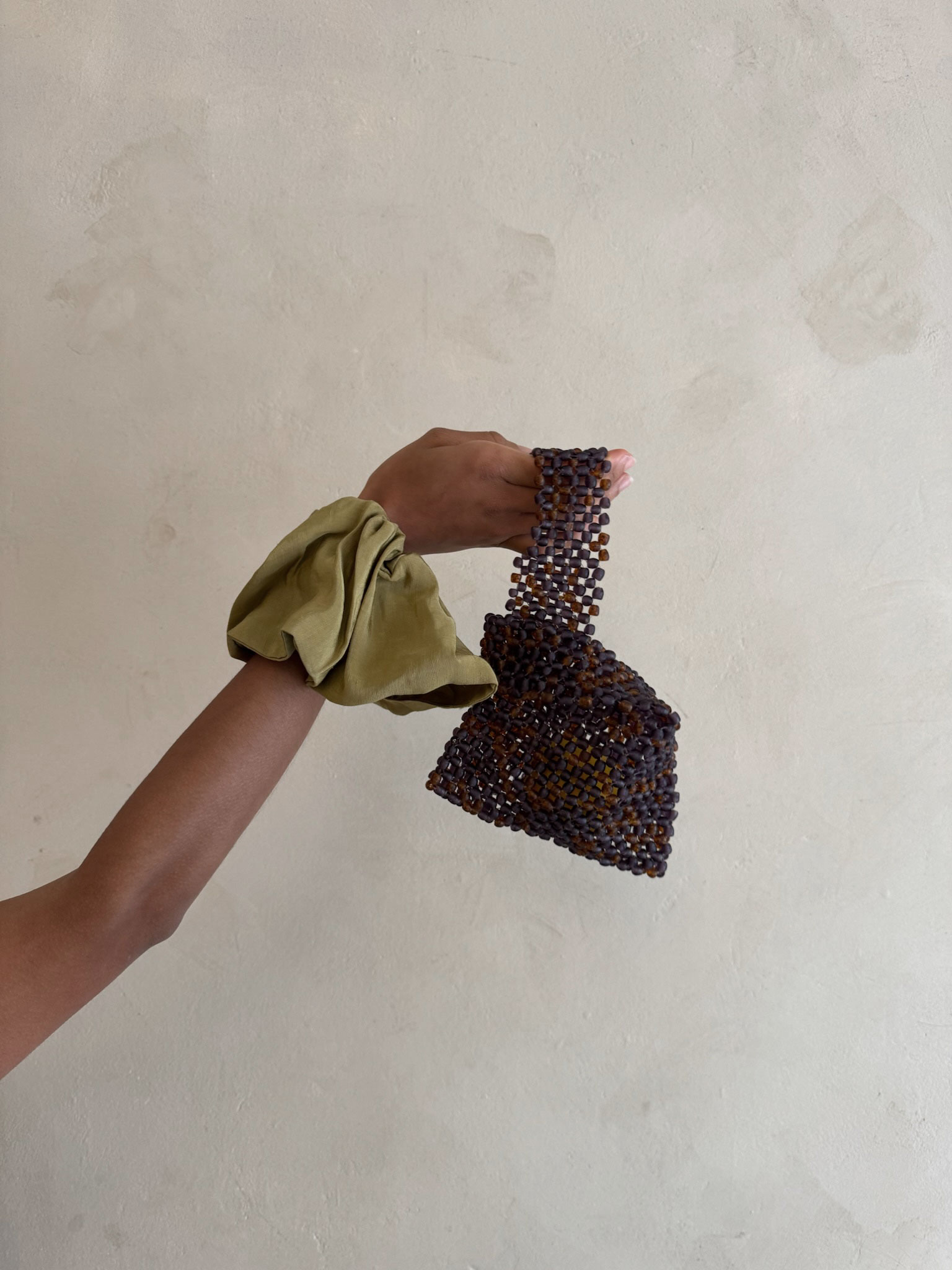
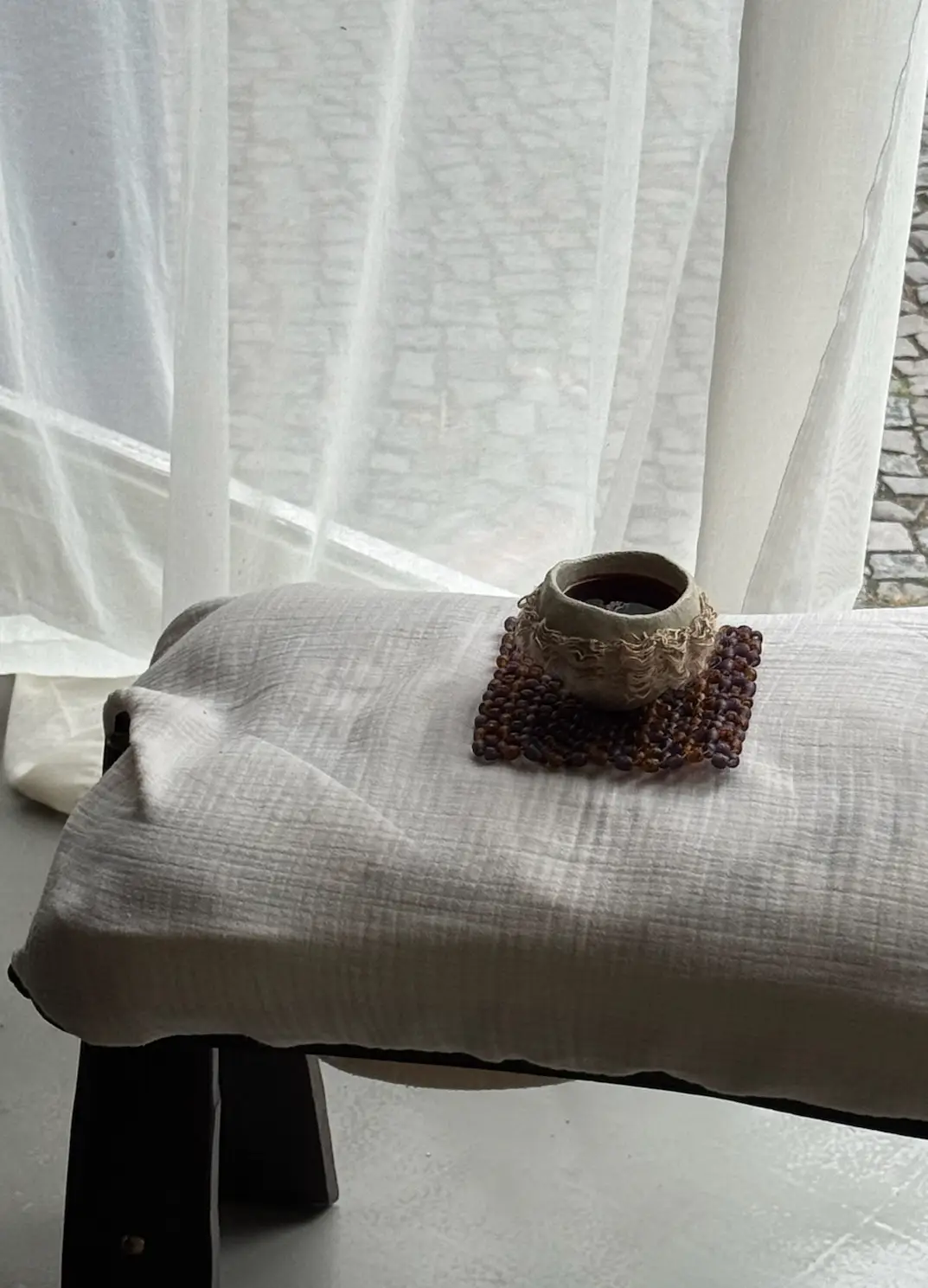
Kindi: We actually met via social media. I think we were drawn to each other's aesthetics and the themes we were interested in. I love the sensitivity Efua uses in her textile explorations. And Esther has such a playful approach to heritage like printing old photos on clay. Her project wä dé really drew me in. Esther reached out to both me and Efua to collaborate on creating a vessel connected with textiles and I had separately reached out to Efua to intern at her brand The Bibio Project in Ghana. I’d never met her before but trusted my intuition that our time together would be special and enriching. Living and working with Efua made her feel like a part of my family. Since last year, Esther and Efua had been in touch with the idea of a pop-up and asked me to be part of it as well. That started our project Sïir which is reflective of our growing sisterhood.
Kindi: Sïir, meaning touch in Birifor, was born from a deep craving to belong. For us, touch is more than physical contact — it is a way to transfer energy, honor the earth, ancestors, community, and spirit. As a nonverbal medium, it carries emotional, social, and cultural meaning. Sïir is a liminal space where we, as a diaspora, navigate the space between “too foreign for here” and “too foreign for home.” Through food, fiber, clay and color drawn from Ghana, Burkina Faso, and Guinea, we intentionally reclaim elements of home to reimagine belonging to the place of our birth. It is a space for exploring these portals together and sharing what we have found as a community.
Kindi: Home, for me, is a place where I can totally be myself. Where I feel welcome with all that I am. It feels warm, soft, and honest. A true home I found within my friendships and within nature. Home is a place where time stands still, where I can be in the moment and I don’t feel the minutes or hours pass. It is laughter, it is tears, it is where emotions change for the better, where deep breaths are possible, and a hug is never far. It is where food takes its time. Where everyone is allowed to sing, every voice is heard. Sometimes it smells like the earth after rain, or the flowers of early springtime.
Esther: Home is a place where I feel safe, where I forget that I’m not from here. Home is a place where I don’t need much and where I find beauty and joy in simple things.
Efua: Home is a very complex word. I have lived in multiple places and moved around my whole life. Being part of two lands means I don't have the privilege of making home physical. So, I have evolved to see home as safety. A place, a moment, objects - at times even a person can feel like home. There are many textures, temperatures, smells, colors and sounds that can teleport me home – a lot of which are linked to my Ghanaian upbringing. There have been times I’ve deliberately sought them out in order to ground myself, and there are times I'm so rooted in my British culture I become lazy in preserving them.
Kindi: I think the most influential person behind my interest in textiles and crafts has been my mother. From a very young age I had a big sideboard filled with crafts material. My mother, my German grandma and my kindergarten teachers introduced me to various methods of crafting — from bead weaving and finger knitting to Scooby-doo, jewelry, hand sewing and much more. At the same time, I was going to Guinea where I was able to choose my own fabrics for the clothes I wore as a child. Many prints, dyes and embellishments I had never seen before. To this day, I find it so special that most people design their own clothes. You go to the market, choose a fabric, hand it to the tailor with a drawing, description or select from their photo archive, and then you get to wear the design just days later. It’s such a personal and creative approach to clothing. As a creator I also prefer creating one off pieces that keep challenging me. At this point, my textile skills come mostly from my German background whilst I’m often incorporating colors, motifs or materials from Guinea or the greater West African region. I would love to spend more time in Guinea in the future to learn more about their dying and weaving traditions.
Esther: I would lie if I told you about childhood memories with clay. I don't have any. I was surrounded by pieces from the village when I was a kid but didn’t really pay attention to them until I was 25 years old. Since I was five years old, I used to go to Burkina every year and after taking a ceramics class when I was living in South Korea in 2017, I went back with a new mindset. I took classes in Paris and did residencies around the world, continuing to grow my relationship with clay. When I started selling pieces and trying to make a living with clay, I began dealing with imposter syndrome, trying to reach perfection and constantly questioning myself. At some point I decided to work with the clay, not for it and not against it. I’m certain the clay can feel when you work with it honestly. When I’m not fully present because I’m tired or in a rush, I’m unable to produce something but when I take the time to let the clay guide me, I create unique pieces that I like, and hope people will cherish. Ceramics will teach you to be patient, to be humble, and not take everything for granted. All the kilns you’ll make will be different, sometimes with beautiful surprises and other times deceptions.
Efua: I often think about culture erasure as a mother raising children in London. How the transition of knowledge is important in reinforcing culture. I feel a lot was lost with my own upbringing, so I always try to introduce my children to Ghana. I have been fortunate to travel to Ghana and spend months on months with my children, eating food, understanding that creators of objects employ lots of customs, ideals and spiritual practices in what they make. I try to involve my children as much as possible. My youngest, who's nine, has found her own language with fiber. It’s been interesting watching how she loves to play with textures, color, synergy, and the time and value of her hands can create.
Esther: In Paris, where I spent most of my life, the diaspora is mostly from West Africa.
Efua: I try not to use the word “diaspora” because it makes belonging feel difficult. As a framework, it feels like I’m being defined by others instead of claiming my own identity. It creates an afro-pessimistic outlook, like I never really feel at home in the UK. Living in London, you’ve got to intentionally carve out liminal spaces, so you don’t let whiteness become your center. I want to be seen as my full self, not just through a racialized lens.
Kindi: I think in my regular day-to-day life, food and the way I eat it unfortunately has lost a bit of its meaning. I’m probably not the only one affected by this side effect of the capitalist grind. There is so little time between work, studying, and house chores that food becomes less of a priority. I remember one time I was on a walk with my dad and started eating a sandwich. He became very serious and told me that I shouldn’t eat while walking, that food and the act of eating should be respected and done consciously. I think about that a lot and am currently trying to prepare more food that is cooked and eaten with time and love. I usually eat dinner with my partner, and I believe eating in communion is such a sacred act. It connects us around the source of life. When I’m in Guinea and we all come together to eat from the same plate with our hands, there is such a warmth and feeling of connection. The way my cousins take off the flesh of the fish and put pieces into each corner of the plate. There is so much care in sharing.
Efua: Cultural food is more than just nutrients. There are memory and knowledge in how it’s prepared. I loved seeing Claudia in the kitchen — dedicated to keeping as much of that knowledge as possible. As people, we really are walking archives. I hardly ever measure spices when I prepare food. Watching my mum cook as a child imprinted on me, just like Ga is a language I know but can’t remember learning. For me, the smells that take me home are in the preparation, not the finished food. I could always tell from my room what stage my mum was at and what she was making. I don’t think my children could say the same thing about my cooking
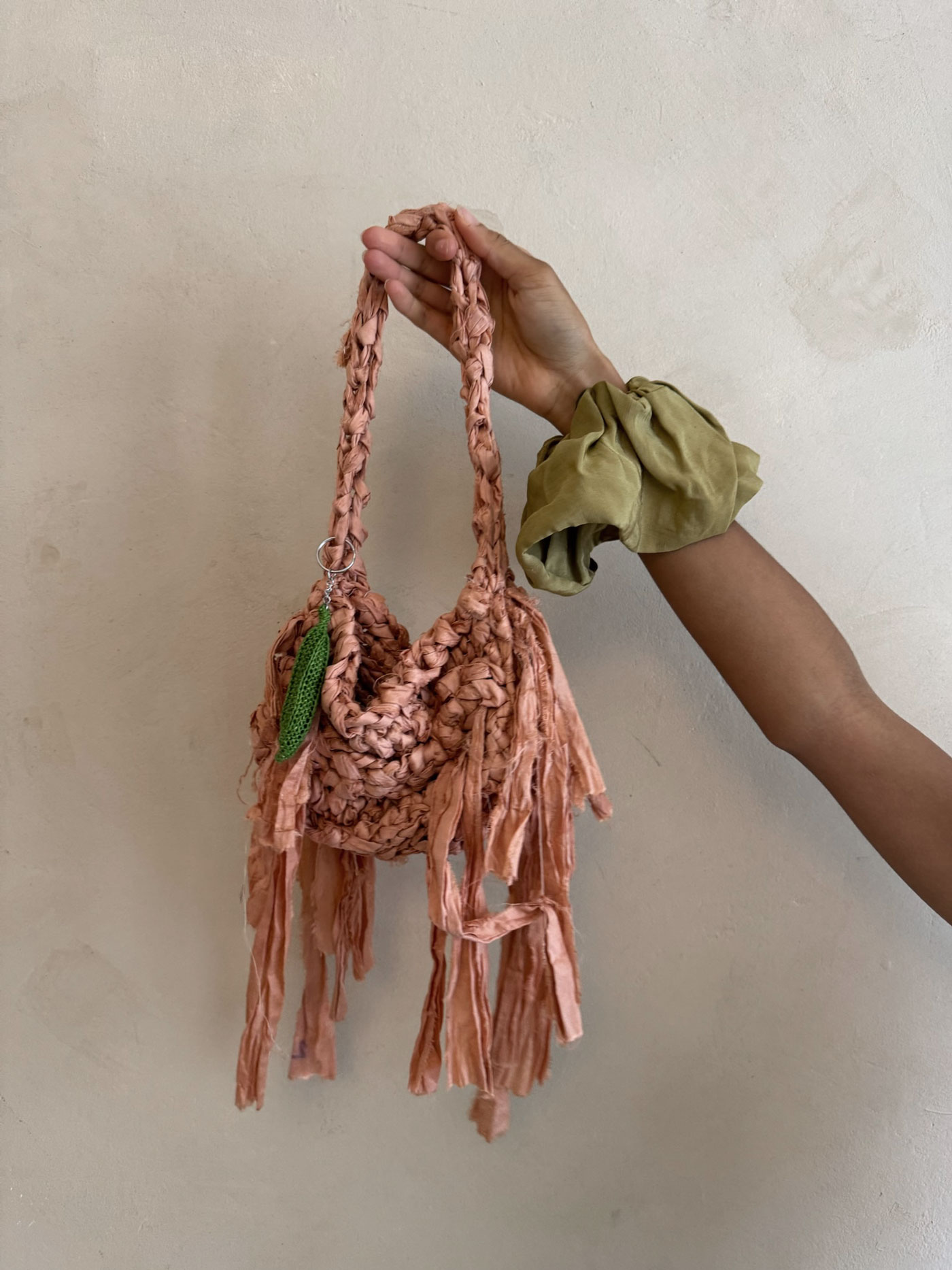
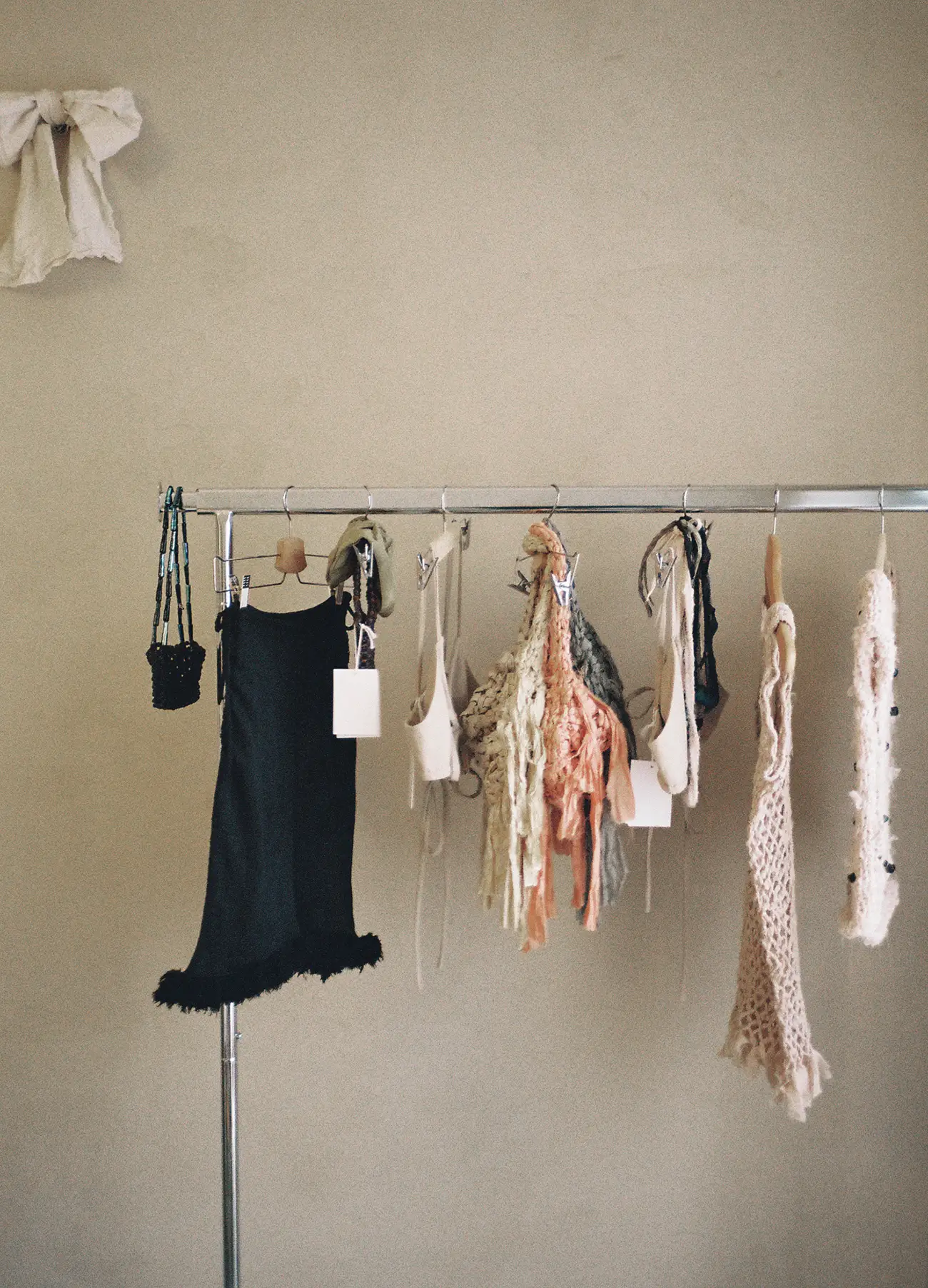
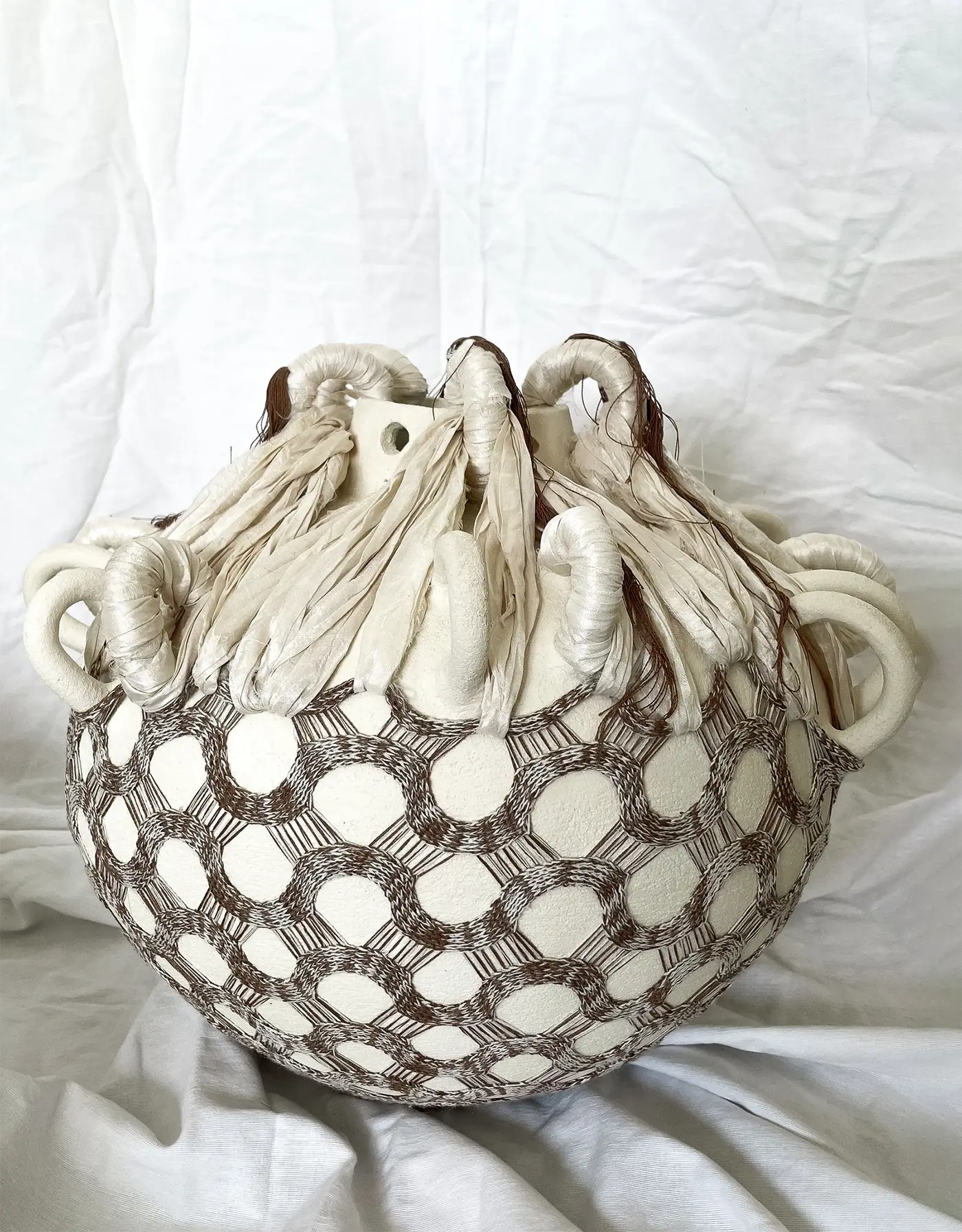
Kindi: We feel very grateful, hopeful, and motivated. It all started with a small idea that we turned into reality, which feels very fulfilling. Meditations on Home was the first event we have ever planned and produced. It wasn’t the easiest, but a lot of things fell into place during the process. If you have an idea, start with what's in your reach, be proactive, and it will work out. The most important thing for us was to have people come together – even when the event turned out slightly differently than planned. Another key takeaway is to be very clear about details when communicating with external stakeholders. Whoever is involved, try to make your expectations clear.
Esther: We felt really proud of ourselves! Kindi and I had met shortly in Paris, but I had never physically met Efua until we were in Berlin, so it was kind of risky when I thought about it. I’m so happy we went through with it and to have these two wonderful and talented women in my circle. Berlin was the beginning, and we are really glad for all the love we received.
Kindi: To create a network and community, meaningful experiences that touch the soul, being experimental with concepts, mediums and crafts, bringing the project to different countries and closer to Africa in a collaborative way, growing our sisterhood, an ongoing refuge to find joy and hope..
Esther: I think Kindi summarized it perfectly :)
Efua: I’ve never been part of a collective before, but it felt completely natural, and I couldn’t have chosen a better duo to share this experience with. I’m looking forward to more exploration, and I hope it grows into a continuous renewal of community. The people who surrounded us and visited really made it special. I still think about many of our guests — the love and encouragement created an environment where it felt safe to be open and present.
